

Mornings that begin with connection
The day begins with something simple but powerful – recognition. Each child is welcomed individually, easing them into the rhythm of the day. With a 20:1 student-teacher ratio, these interactions are not rushed. Teachers have the space to observe, understand and respond to each child’s emotional and learning needs.
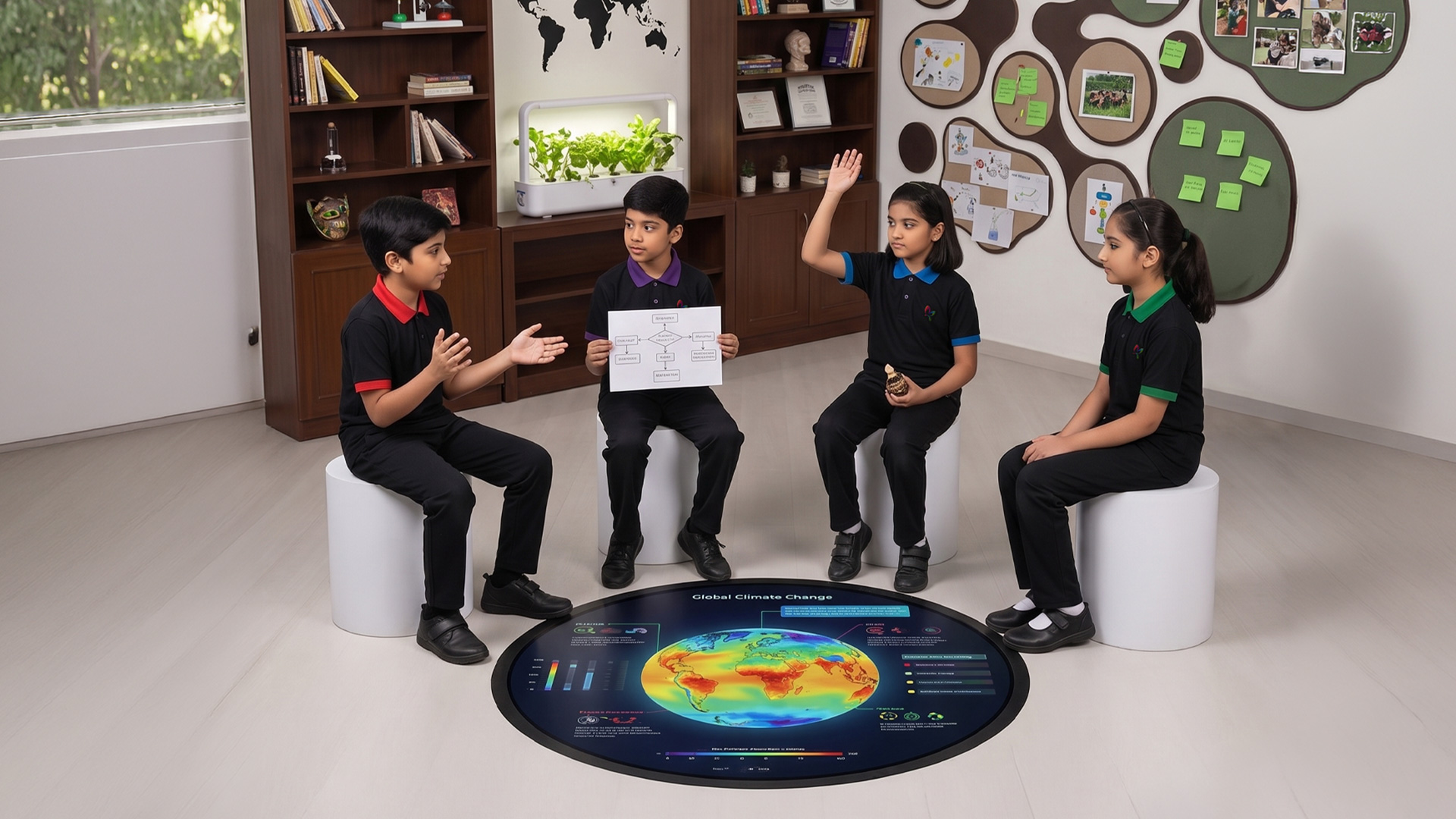
This sets the tone for everything that follows. Classrooms are not spaces of instruction alone, but spaces of conversation. Teachers initiate discussions, ask questions and invite children to participate, ensuring learning begins with engagement rather than information.
Learning that is experienced, not delivered
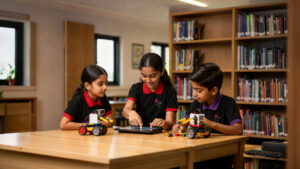
At Mirai, concepts are rarely introduced through textbooks first. Instead, they are experienced. A lesson may begin with an activity, a story or a real-world connection before it takes academic form. This reflects the school’s philosophy that learning should be explored and expressed, not simply transferred.
Teachers move fluidly between guiding and observing. They encourage children to think independently, articulate ideas and question what they learn. Whether in early years or middle stages, this approach ensures that curiosity remains central to the classroom experience.
A curriculum that adapts to the child
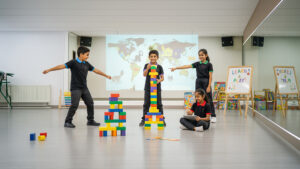
As the day progresses, learning naturally shifts according to age and stage. Younger children engage in activities that build physical, emotional and language development, while older students move toward problem-solving, teamwork and independent thinking.
Teachers adapt their interactions accordingly. With younger learners, there is more guidance and reassurance. With older students, there is more dialogue and intellectual challenge. The relationship evolves, but the attention to each child remains constant.
Beyond classrooms, into experience
Learning at Mirai does not pause when students step outside the classroom. The campus itself becomes an extension of education. Activity zones, playfields and specialised spaces allow children to apply what they learn in dynamic ways.
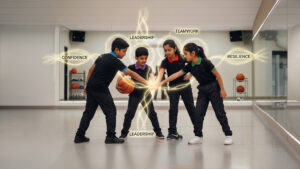
In sports facilities like The Mirai Arena, children build teamwork, resilience and focus through football, cricket, badminton and swimming. These are not treated as breaks from academics, but as essential parts of development, reinforcing the school’s holistic approach.
Creative spaces bring another dimension. Art, music and cultural activities allow students to express themselves, helping build confidence alongside competence.
Teachers as guides, not just instructors
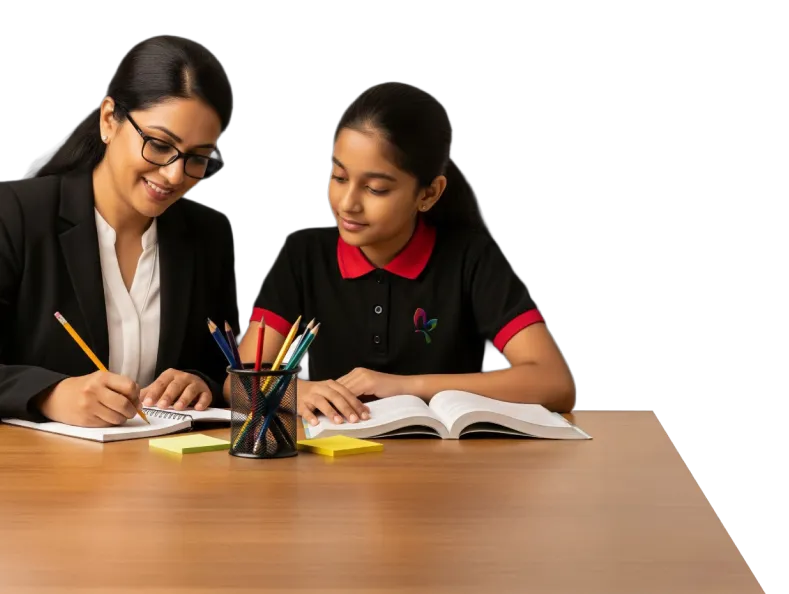
One of the most defining aspects of a day at Mirai is the role of the teacher. They are not limited to delivering lessons. They guide discussions, support exploration and create an environment where children feel comfortable expressing themselves.
The classrooms are interactive and flexible; teachers move between students, offer personalised feedback and encourage deeper thinking. Every question is treated as valuable; and every child is given the space to find their voice.
A day that stays with the child
As the day comes to a close, learning does not feel complete in the conventional sense. Instead, it feels ongoing. Students leave with ideas to think about, experiences to reflect on. suggestions to extend their learning and a sense of confidence that builds gradually over time.
At Mirai, a school day is not measured by completed chapters, but by moments of understanding, curiosity and growth. It is this quiet, consistent rhythm that shapes not just better students, but more aware and capable individuals.